Attaining Inclusive Design with Empathy
Almost two decades ago, I naively believed that teaching empathy alone could create more inclusive spaces. I shared stories of being a notetaker for deaf students from my alma mater, Rochester Institute of Technology, for RIT National Technical Institute for the Deaf (the first and largest technological college in the world for students who are deaf or hard of hearing). I shared recommendations on how to make the digital space accessible to the community. Then I met Christina Mallon-Michalove, and everything changed.
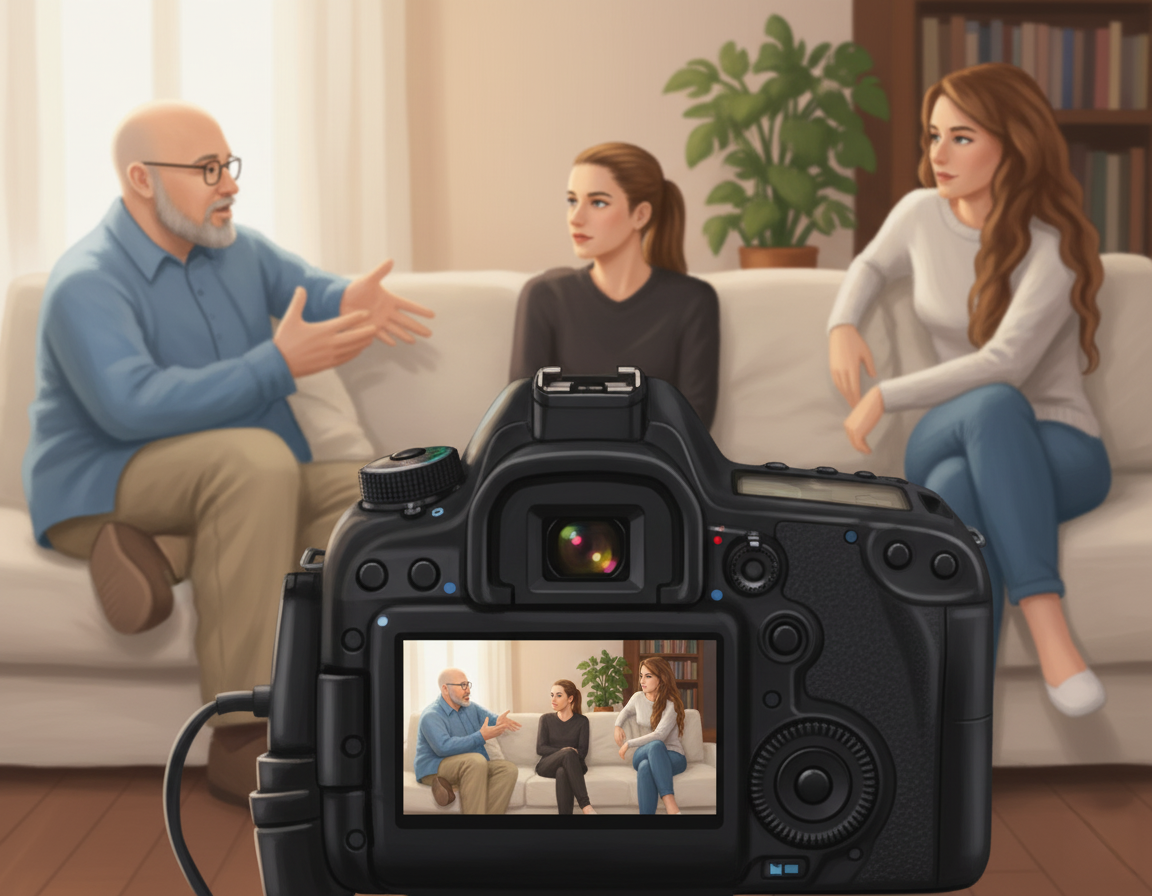
In the fall of 2018, I spent an hour interviewing Christina for National Disability Employment Awareness Month (NDEAM). In her early 20s, she developed a motor neuron disease that left both of her arms paralyzed. But what struck me was not her limitation but her extraordinary adaptation. She navigated New York City’s complex transportation system independently, arrived at a 19th-floor interview location, and demonstrated a remarkable ability to use technology that I hadn’t been exposed to.
When I asked about her phone usage, Christina removed her shoe—which had specially designed toe loops—dropped her phone from a retractable lanyard, and began typing effortlessly with her toes. I started following her on Instagram and learned she also used voice dictation, showcasing how technology and human ingenuity can transcend physical barriers. Her approach embodied a fundamental truth: we are all temporarily abled.
Our abilities are not fixed; they are dynamic, constantly shifting with age, circumstance, and chance. An unexpected injury, a gradual illness, or the natural progression of time can transform how we move through the world in an instant. Christina’s story illustrates this perfectly – her life changed dramatically, yet she adapted, finding innovative ways to engage with the world around her.
This understanding demands more than sympathy or surface-level inclusion. It requires a fundamental redesign of how we approach spaces, systems, and social structures. Accessibility is not a special consideration but a basic human right that benefits everyone. Christina’s modifications – from toe-loop shoes to voice technology – are not just accommodations but brilliant examples of human creativity. Years of learning about different people I followed demonstrated that they are the best life hackers.
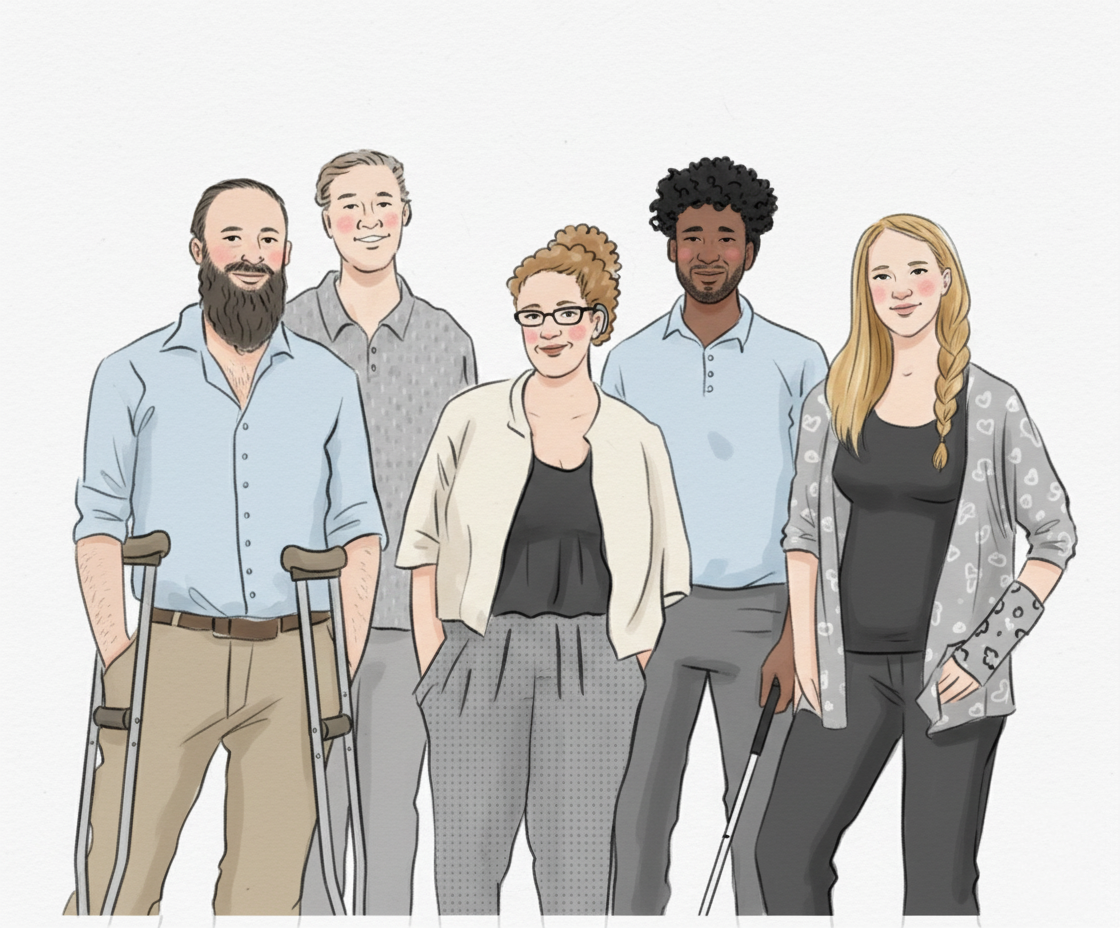
Nearly one in five people in the United States live with a disability, but disability is not a limitation – it’s a different way of experiencing the world. It encompasses visual, auditory, learning, motor, and neurological variations. True inclusion means designing environments and technologies that are flexible and adaptive, recognizing that human capability exists on a spectrum.
Inspired by Christina, I began to see accessibility differently. I started creating content with image descriptions, designing with color contrast in mind, learning about assistive technologies, and considering how people with different abilities navigate spaces. This isn’t just about compliance but respect, innovation, and recognizing our shared human potential.
The most compassionate societies are those that design with flexibility, empathy, and a deep respect for the full spectrum of human experience. Our limitations do not define us, but by our capacity to adapt, support, and uplift one another. Thank you Christina for my life-long journey designing for people I know and I don’t know yet.